
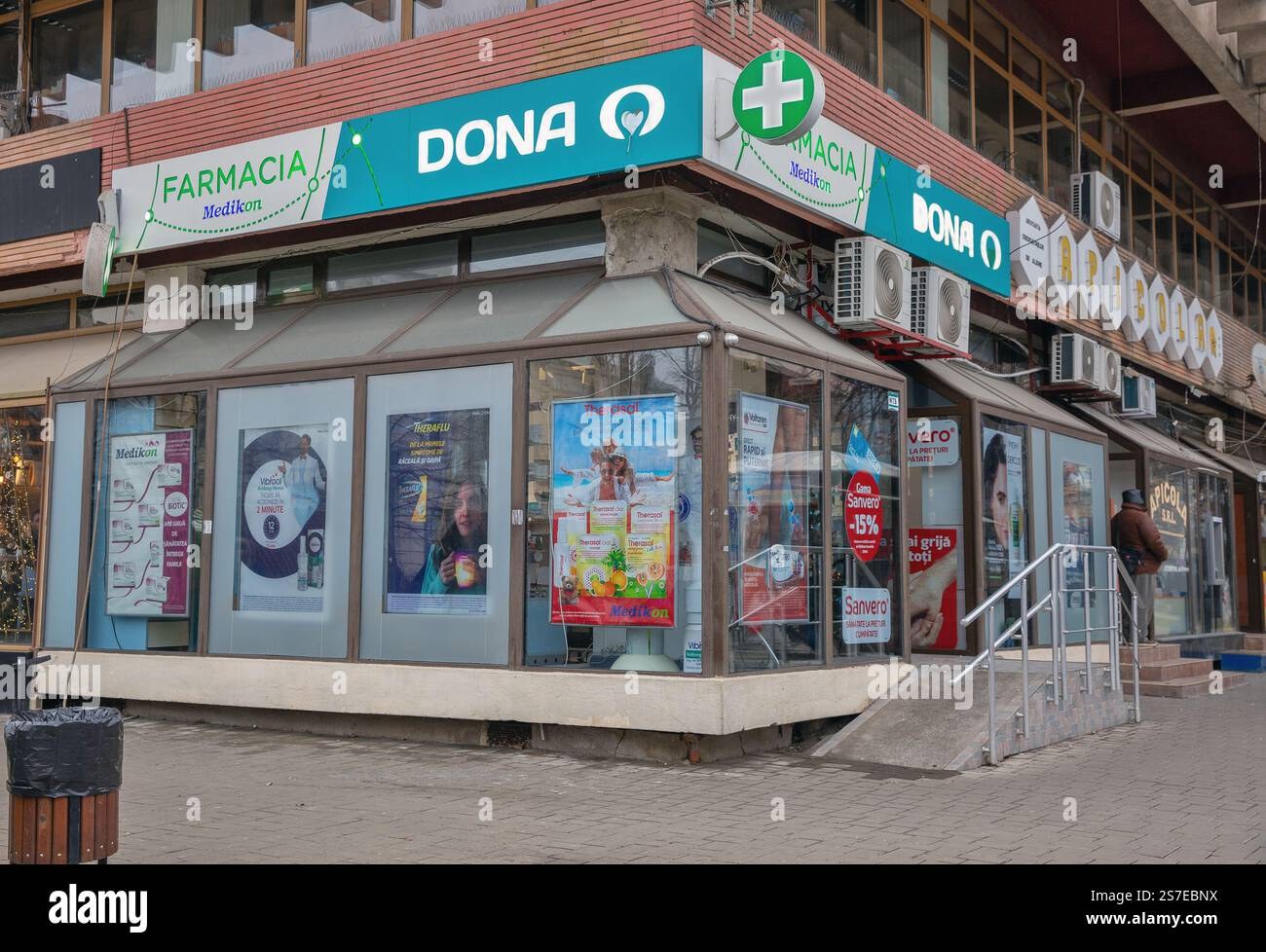
Finding the right medication in Romania depends entirely on whether you’re walking into a local neighborhood chemist or trying to navigate a massive digital catalog. You need to know which chains carry specific stock and which ones are essentially just digital storefronts for physical pickups.
The Reality of Large-Scale Retail Chains
If you live in Bucharest or Cluj, the sheer number of physical storefronts can feel overwhelming. You see the bright logos on every corner, but the stock levels aren’t always what they appear to be on the website. We’ve seen many people spend an hour driving between three different branches only to find that the specific antibiotic or chronic medication they need is out of stock at every single one.
Catena is one of the heavy hitters in this market, but their online presence can be finicky. It is not uncommon to find a product listed on their site that then shows no availability when you try to actually secure it. (It happens more often than the companies like to admit.) You have to check the local pharmacy status rather than just trusting the digital inventory.
Then you have the larger chains like City Pharma, which operates on a much more massive scale. They have a different logistical footprint than the smaller, independent boutiques. If you are looking for specialized dermatological products or high-end skincare alongside your standard medications, this is usually where you go. They have a much wider variety of non-prescription items that you won’t find in a standard medical clinic shop.
The logistics of these chains are complicated by the way the Romanian healthcare system handles prescriptions. You cannot just walk in and grab everything. The pharmacist has to verify the digital prescription through the CNAS system, which sometimes experiences lag or downtime. This means even if the medicine is physically sitting on the shelf, you might be waiting for a server to respond before you can actually pay for it.
Digital Cart Chaos and Online Fulfillment
The shift toward e-pharmacy in Romania has been rapid, but the user experience is often clunky. Take Delafarmacie, for instance. Many people try to build a shopping cart online to save time, but the digital experience can be frustrating. You might spend twenty minutes selecting vitamins and pain relief, only to find that the shopping cart interface doesn’t behave predictably or requires a physical pickup that defeats the purpose of the order.
Online shopping for medication is a different beast than buying a book or a shirt. You have to deal with the legal reality that certain substances cannot be delivered to your door. This creates a weird hybrid model where you do all the work online, but you still have to physically show up with your ID to prove you are the person authorized to take the pills. It is a fragmented process that requires patience.
We often tell people to use the websites as a reference for price comparison rather than a definitive way to buy. If you see a price on a site like Delafarmacie, don’t assume that is the final price you will pay at the counter. Taxes, discounts applied via health insurance, and local pharmacy-specific promotions can change the math significantly by the time you reach the checkout lane.
The price discrepancy is a major headache for many users. Here is how the pricing generally breaks down across the major players:
| Pharmacy Type | Pricing Model | Stock Availability | Best For |
|---|---|---|---|
| Large Chains | Standardized/Promotional | High (General) | Convenience and variety |
| Small Independents | Variable | Low (Specific) | Specialized/Niche items |
| Online Only | Competitive | Variable | Price comparison |
Navigating the Prescription and Insurance Maze
The complexity of the Romanian system becomes apparent when you start dealing with reimbursed medications. If you have a prescription that is covered by the state, the pharmacist has to navigate a specific set of codes and validation steps. This is where things get slow. It is not just a simple transaction; it is a bureaucratic verification that can take ten minutes per item if the system is being temperamental.
For elderly citizens, this process is even more stressful because the paperwork can be daunting. Many members of the Pensioners’ League deal with the frustration of having a prescription written but being told the specific brand isn’t covered by the current month’s reimbursement scheme. You might find out at the very last second that the drug your doctor wrote is slightly more expensive than the one the insurance covers, and the gap in cost can be significant.
We suggest always carrying a physical copy of your prescription alongside the digital one on your phone. Even though everything is moving toward a digital-only system, the technical glitches are frequent enough that having a backup can save you a trip back to the doctor. It’s a small precaution, but it’s one that prevents a lot of wasted time in cold waiting rooms.
If you are managing chronic conditions, you should ask about the “reimbursable” status of your specific brand. There are often several generics that do exactly the same thing but have different price tags because of how the government subsidizes them. You have the right to ask the pharmacist for the cheapest equivalent that meets your doctor’s requirements.
Precision Equipment and Medical Supplies
Pharmacies in Romania aren’t just about pills and syrups; many serve as the primary source for home medical equipment. This includes things like blood pressure monitors, thermometers, and even more specialized items like precision scales. If you are looking for something like a precision electronic scale for medical monitoring, you might find it easier to buy through a specialized medical supplier rather than a standard neighborhood chemist.
The stock for these devices in a regular pharmacy is hit or miss. Most pharmacies keep a few basic digital thermometers and blood pressure cuffs on the shelf, but if you need something more professional or higher in accuracy, you are likely going to have to visit a specialized medical supply shop. They tend to be more expensive but they actually have the inventory you need.
When buying medical hardware, check the calibration and the warranty. It sounds obvious, but many people grab the first digital device they see on a shelf and realize three days later that the batteries were dying or the sensor was faulty. In a country where medical logistics can be inconsistent, having a device that actually works the first time is worth the extra ten lei you might spend at a specialized retailer.
A few tips for buying medical hardware in Romania:
- Always ask if the device requires a specific type of battery that is hard to find in local convenience stores.
- Check if the item is “reimbursable” if you are buying it for a specific medical condition.
- Verify the warranty terms; some small pharmacies might not be able to handle a return if the item is faulty.
Local Pharmacies vs. The Big Chains
There is a distinct difference between the experience of walking into a small, family-run pharmacy in a rural town and the sterile, high-volume experience of a chain in the city. The small pharmacy owner often knows the regulars and might actually remember your name or your usual prescription, which is a level of service you simply won’t get at a massive chain. However, their stock is extremely limited, and they often have to order specialized medications from a larger hub, which can take 24 to 48 hours.
The big chains are more reliable for finding a specific brand of vitamin or a common over-the-counter pain reliever, but you lose that personal touch and often face much longer lines during peak hours. We have found that if you need something urgently, go to the chain. If you need a specific, hard-to-find supplement or have a very specific question about a chronic medication, the local pharmacist is often a better resource for advice, even if they have to order the stuff in for you.
Your choice depends on your immediate need versus your long-term requirements. If you are a tourist or someone just passing through, stick to the big chains because they are predictable. If you are a resident with a complex medical history, building a relationship with a local chemist can save you a massive amount of headache over the course of a year.
Don’t trust the website stock levels blindly.
Good to know
Can I buy prescription medications at a Romanian pharmacy?
Yes, but you must present a valid medical prescription, which can be physical or digital.
Do I need a prescription for all medications in Romania?
No, only controlled substances and certain antibiotics require a prescription, while many common pain relievers are available over-the-counter.
Are English-speaking pharmacists available in Romania?
Most pharmacists in major cities like Bucharest or Cluj are proficient in English, though it is helpful to have your medication name written down.
Can I use my international health insurance in a Romanian pharmacy?
You can, but you will likely need to pay upfront and then file a claim with your insurance provider for reimbursement.
What are the typical opening hours for pharmacies in Romania?
Most pharmacies are open from 08:00 to 20:00, but many major cities have 24-hour pharmacies (farmacie non-stop) available for emergencies.